MATÍAS POZZI .
Software Developer, Programmer Analyst & Systems Engineer
I am a software developer focused on driving automation and digital transformation by creating scalable full-stack solutions, with special emphasis on design, role-based workflows, and real-time notifications.
Engineering Projects
GourmetOS, Founder & Full-Stack Architect | Multi-Tenant Hospitality Platform
Built a full multi-tenant SaaS from the ground up for restaurants and hospitality venues, replacing the disconnected mix of paper tickets, spreadsheets, and third-party point solutions that most independent venues rely on with a single system covering table management, order-taking, kitchen workflow, stock/ingredient tracking, reservations, and digital menus. Designed a multi-tenant architecture with per-venue data isolation and role-scoped access (owners, staff, kitchen, floor) so a single codebase serves unlimited independent venues without cross-tenant leakage, plus branch/sucursal support so multi-location operators can clone and manage venues centrally while tracking cross-branch metrics. Engineered end-to-end payment infrastructure integrating MercadoPago, Stripe, and PayPal including venue-level OAuth so each business connects and charges through its own account at 0% platform commission alongside a tiered pricing/plan system that gates features and enforces limits automatically. Delivered a real-time operational core: live table status and floor-plan canvas, order and kitchen ticket flow, stock deduction tied to recipe consumption, and a QR-driven guest experience (digital menu, table ordering, multi-link landing pages) fully localized in Spanish, English, and Portuguese. Owned the system solo end-to-end as product owner, database architect, and full-stack developer schema design and migrations, API layer, UI/UX, security hardening (auth, tenant boundaries, webhook verification), and production deployment on Vercel/Supabase.

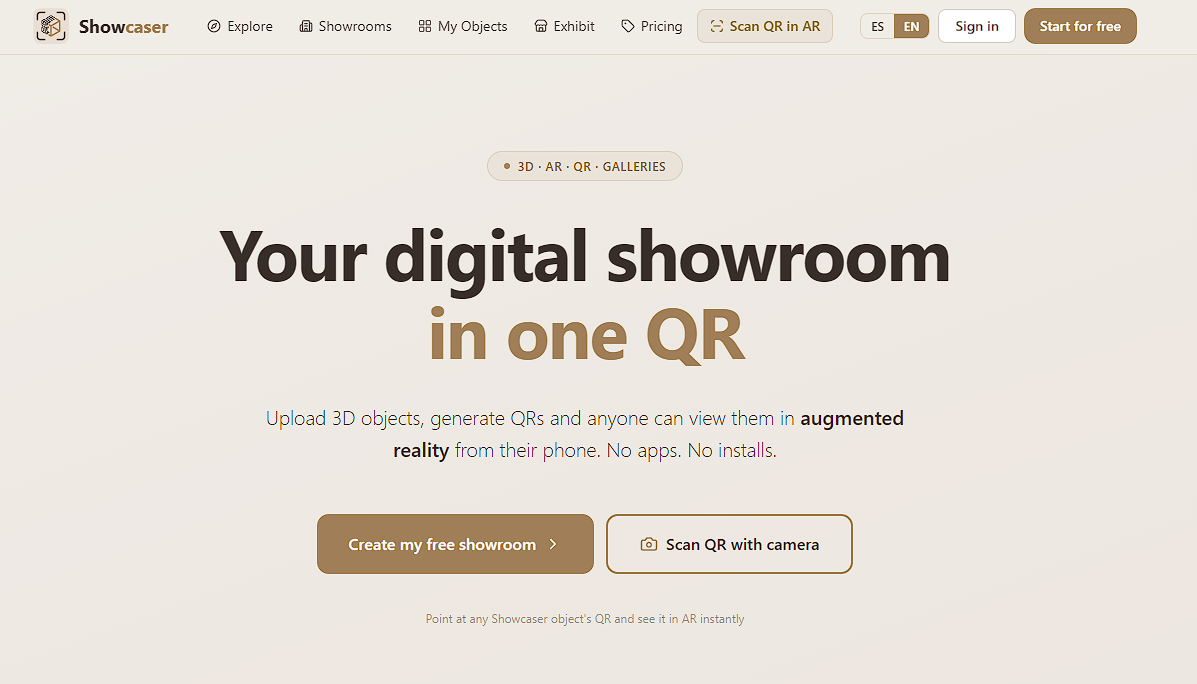
3D Product Showcaser & Interactive Viewer Platform, Full-Stack Developer & Architect
Built an end-to-end platform that turns static 3D/GLB assets into interactive, embeddable product showcases, replacing the need for clients to rely on static images or pre-rendered videos to present products online. Designed a pipeline that ingests 3D models and converts them into animated, AR-ready USDZ files compatible with native iOS Quick Look solving a non-trivial interoperability problem around skeletal animation and rigging that most conversion tools handle poorly so end users can view products in augmented reality directly from a phone browser with no app install. Built a hotspot annotation system letting creators place interactive points of interest directly on the 3D model, each opening contextual cards with text, images, or video, with layering logic that keeps the active hotspot's card unobstructed regardless of camera angle or nearby points. Implemented a remote-control viewing mode where a paired device can drive camera movement in another user's live session, including touch joystick and drag-to-look controls for first-person navigation, enabling guided walkthroughs and remote presentations. Delivered a shareable viewer accessible via a simple code, with role-aware access, real-time state sync between controller and viewer, and a UI/UX designed for both desktop and mobile. Worked solo across the full stack frontend, backend, database, and the 3D conversion infrastructure from initial architecture through iterative feature delivery based on direct client feedback.
Physical Risk Management & Vibration Analysis Platform
Developed a comprehensive system for evaluating physical risks in industrial environments, digitalizing the analysis of whole-body transmitted vibrations and cutting report turnaround from 2-3 days to minutes. Built a dynamic workflow that ingests accelerometer data and calculates action levels and permitted exposure limits, consolidating spreadsheets previously scattered across machines, cloud accounts, and paper records into a single Windows platform. Structured a relational database oriented toward fleet and operator traceability, with historical tracking and correlation across inspections, ensuring that companies' preventive decisions are backed by rigorous mathematical processing aligned with the standards of the Superintendency of Labor Risks.

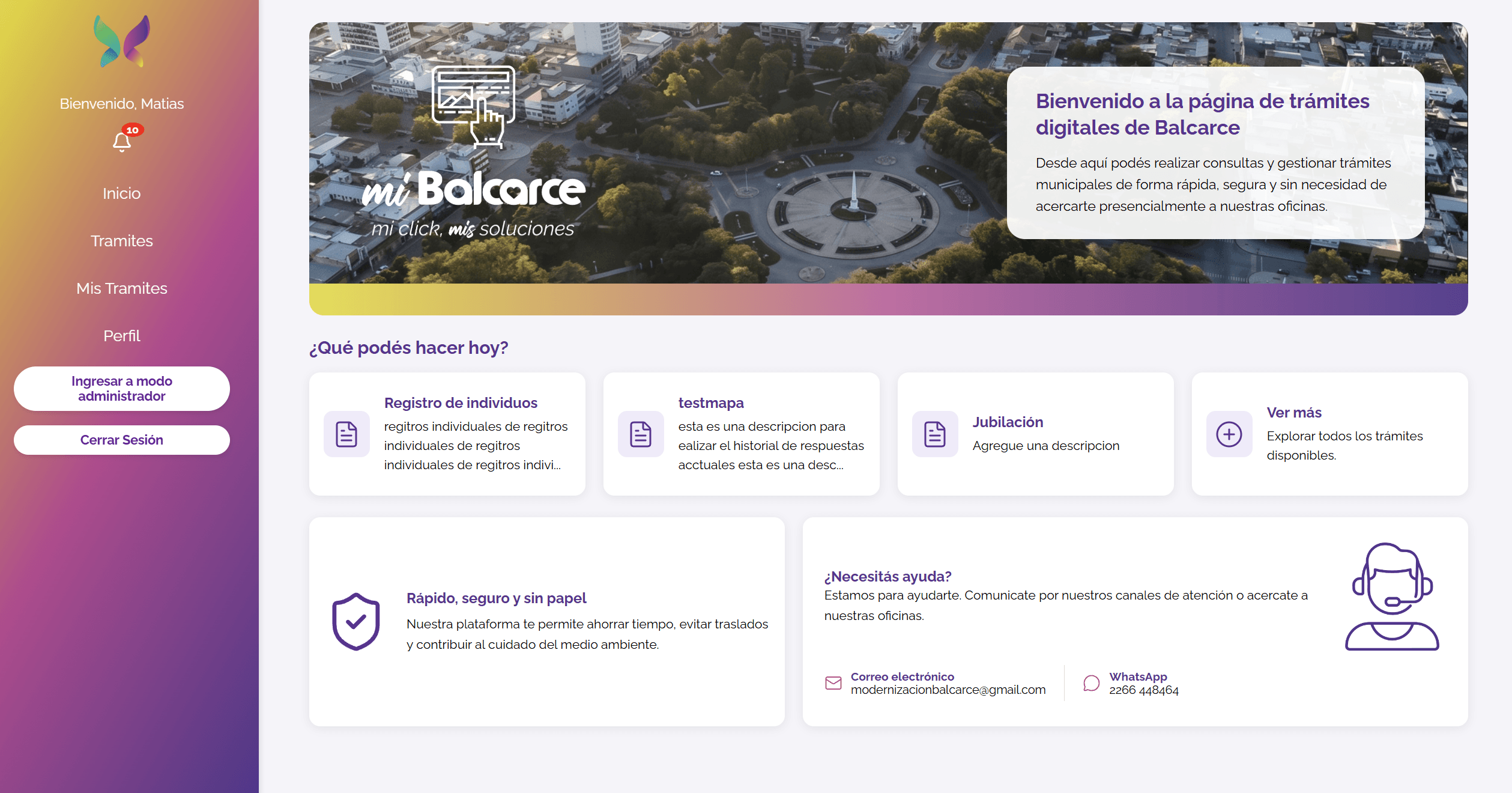
Municipal Administrative Workflow & Management Platform
Built Balcarce's first digital case-management system from the ground up over an 18-month engagement, replacing an entirely paper-based process where residents had to show up in person just to find out who was holding their file, with no tracking, no accountability, and no estimate of resolution time. Designed a role-based access system where each municipal role (clerks, department heads, supervisors, etc.) gets its own views and responsibilities scoped to their function, delivering full traceability with real-time status tracking and metrics that cut case processing time from indeterminate waits to a trackable, accountable workflow. Worked end-to-end as full-stack developer, database architect, and infrastructure lead alongside one co-developer, running the project under Scrum with the city's stakeholders. Led requirements-gathering sessions, technical decisions, UI/UX design, demos, staff training, and the production deployment.
Multi-Camera Computer Vision System for Industrial Safety (PPE Detection, Counting, and Alerts)
Designed and built end-to-end a desktop application that turns any IP or USB camera into a real-time intelligent monitoring system, enabling plants and construction sites to detect safety violations and generate operational metrics without relying on an operator watching screens all day. Built the inference engine on top of YOLO models with multi-object tracking, capable of processing multiple camera streams in parallel in isolation (each camera keeping its own tracking state so IDs never mix across streams), and designed a configurable zone system where the user draws polygons or counting lines directly over the video feed to define areas of interest: presence based counting (first time an object enters a zone) or crossing based counting (for continuous flow, such as conveyor belts or gates), each with its own classes and alert rules. Implemented a modular PPE (personal protective equipment) detection system with independent, toggleable elements: hard hat, gloves, reflective vest, and even individual hand detection to distinguish "one hand with a glove, the other without", researching and evaluating public models per element, documenting their real world accuracy and limitations, and leaving the pipeline ready to swap any single element for a custom model trained on client data without touching the others. Added dwell time calculation per tracked object, useful for flagging abnormal delays or loitering in sensitive zones, plus a counts persistence pipeline with automatic daily reset and recovery after unexpected shutdowns. Built the real time alerting layer with automatic snapshots and a browsable historical gallery, event based video recording, and a configuration panel that lets users enable and disable each detection type, zone, and PPE rule on the fly, without restarting the application. Designed the entire desktop interface (PyQt6) with UX tailored to non technical operators: visual zone editing over the live feed, live and historical counting panels, and a consistent icon system. Worked solo across the full stack, including computer vision, threading architecture for concurrent capture, data persistence, and desktop frontend, iterating the product based on real issues found in the field (for example, third party virtual cameras interfering with automatic hardware discovery).

ASME Engineering Verification and Calculation Automation Engine
Cut ASME pressure vessel verification and remaining-life calculations from 7-12 days down to 20 minutes or less, replacing a process that previously required a trained engineer to manually compute and cross-reference calculations from Word documents. Participated directly in field data collection, operating specialized, certified measurement equipment on pressure vessels rated above 500,000 volts in power plants and electrical substations, gaining hands-on exposure to the rigor and risk involved in gathering data on high-risk industrial equipment. Researched and studied ASME's multi-standard formula set to accurately automate calculations based on vessel type, then designed a database that acts as a full asset registry per client. It tracks every pressure vessel and related equipment (gauges, purge systems, pressure switches), along with the precision instrument used for each measurement, by section, with calibration dates, checks, and status, enabling corrosion-rate tracking and historical reports per vessel across repeated measurements over time. Built template-based report generation with support for uploading field sketches and photos, essential for inspection compliance and recordkeeping. Delivered the system end-to-end with a clean, intuitive UI/UX.
Software Engineer for QR-3D Pixelart - 3D Voxel Engine and QR Code Editor
Built a browser-based 3D voxel engine and pixel-art ecosystem of 8+ integrated modules, including a QR-to-3D object generator, 2D and 3D pixel art editors, a blueprint-to-3D architecture tool, and a procedural isometric room/house generator with randomized themes, furniture, and architectural logic. The project solves the core technical challenge of voxelizing high-quality 3D models and images while rendering 130,000+ voxels in-browser without crashing Chrome, including on mobile devices. Engineered performance optimizations borrowed from game development and 3D graphics engineering to sustain that scale in real time, plus a smart voxelization pipeline that imports arbitrary .glb/.obj models and converts them to color-accurate voxel art at adjustable fidelity (Low to Ultra). Delivered a full end-to-end product as a solo project: import/create, edit/transform, and export/materialize (PNG, STL, GLB, color 3D-printing), plus AR visualization so users can preview objects at real-world scale before printing.

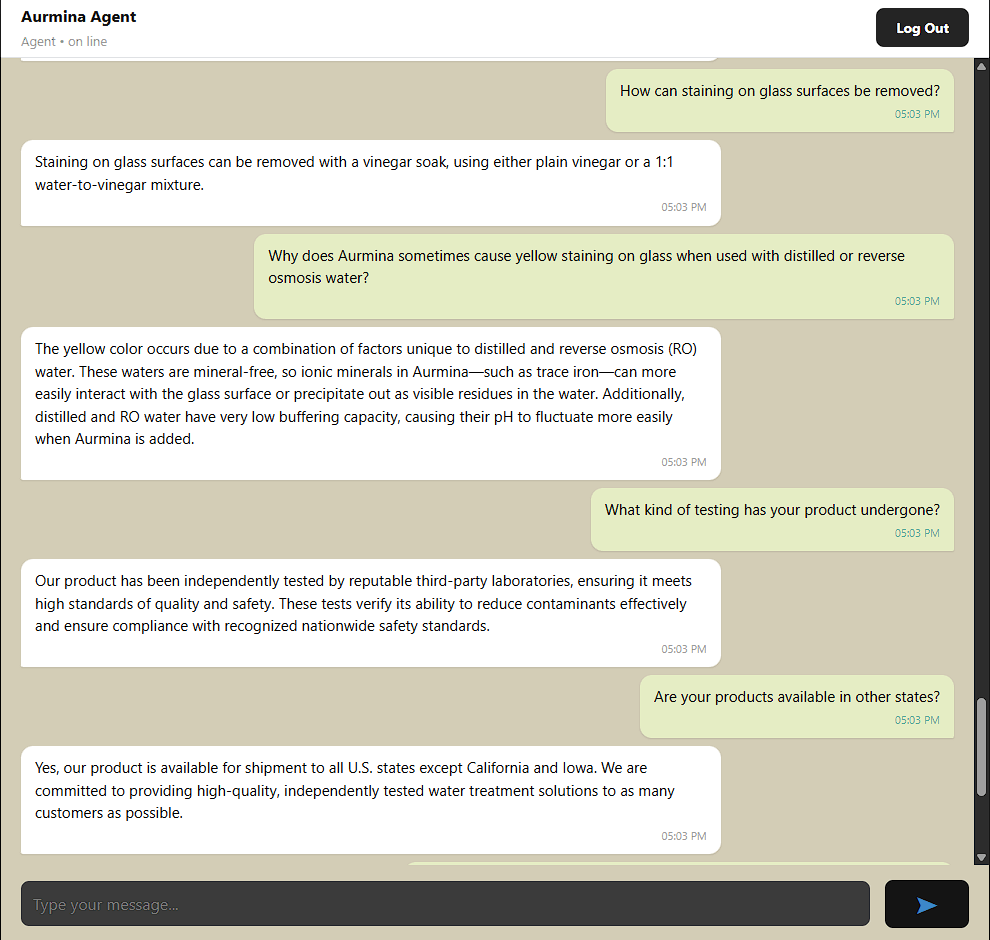
Custom Conversational AI & E-commerce Integration Chatbot
Increased sales conversion and customer retention for an e-commerce store that was losing sales by not answering product questions, by building a 24/7 AI chatbot capable of handling anything from health and clinical-study questions about the product to shipping and promotions, using natural language understanding instead of rigid FAQ scripts. Manually processed and structured unstructured legacy data (lab reports, scientific studies, product info) end-to-end, then automated it into a RAG pipeline: cleaning, chunking, and vectorizing the data into ChromaDB for high-accuracy, context-grounded responses via LLM API integration. Built and deployed a custom frontend widget integrated with Shopify, and coordinated directly with other developers to migrate and integrate the chatbot into a new site they were building for the client.
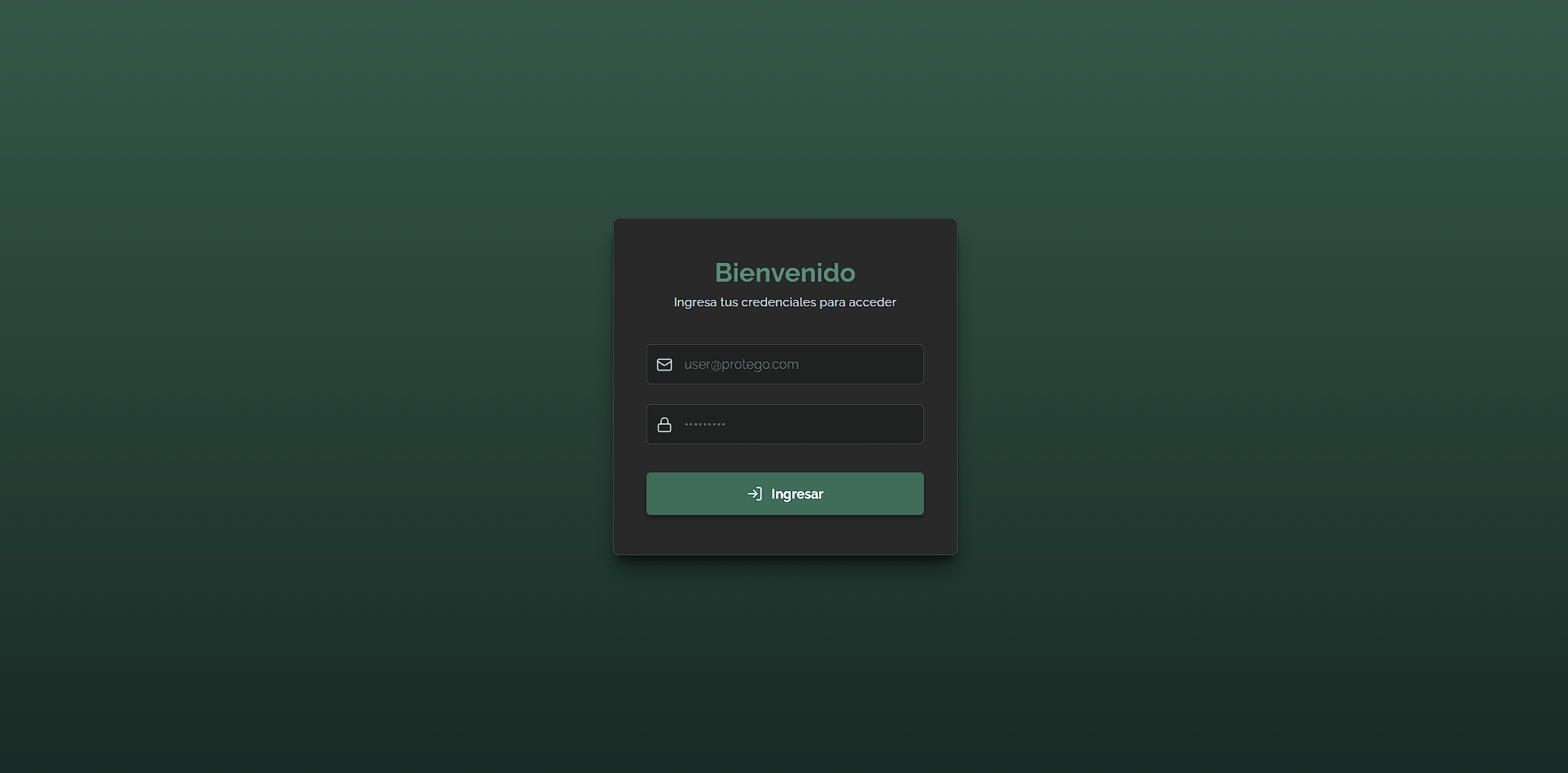
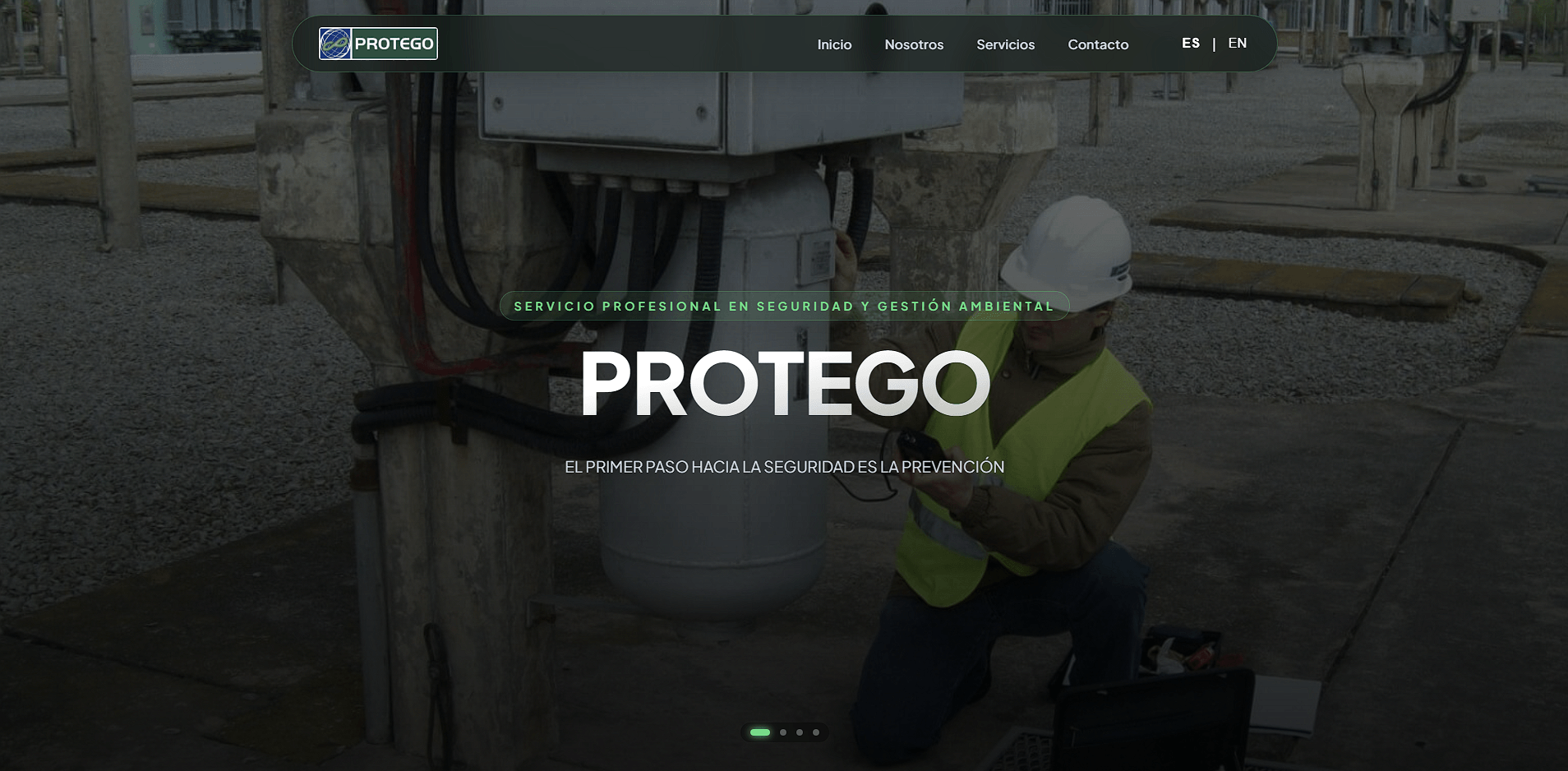
Web Designer for PROTEGO - Security & Environmental Management
Gave a Safety and Environmental Management company its first digital presence, turning it into a lead-generation channel that landed new clients from the US, Canada, Finland, and Poland, markets the business had no prior reach into. Designed a single-page corporate site fully aligned with the company's brand identity, including colors, visual style, and even its strategic thinking and messaging, showcasing its track record and services, built around a conversion-focused contact system with accessible UI, automated email workflows, and frontend confirmation messaging, backed by a flexible form architecture to handle diverse international inquiries.
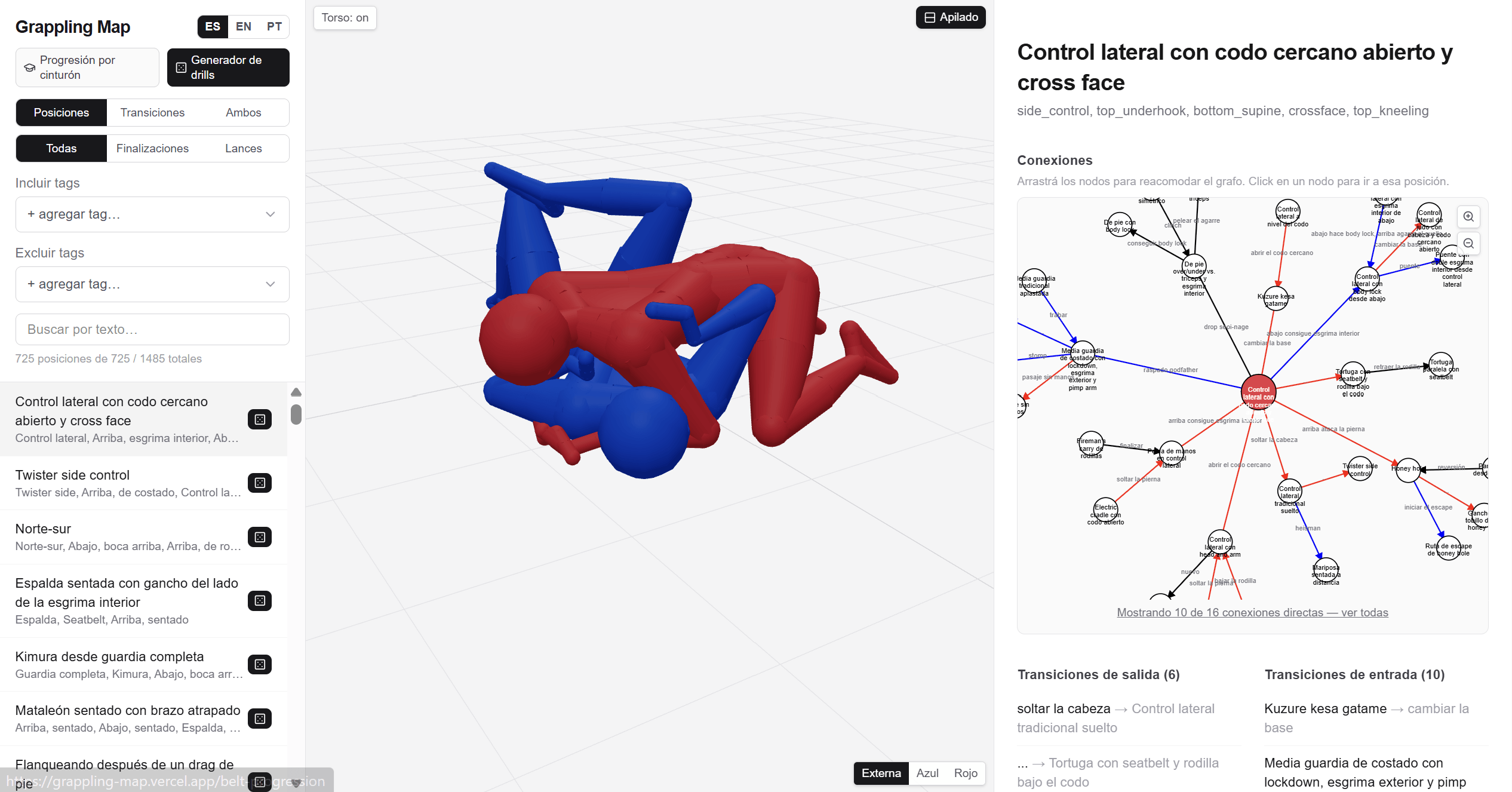
GrappleMap, Full-Stack Developer | Interactive Grappling Technique Map, 3D Viewer & Pose Estimation Pipeline
Rebuilt from scratch, in Next.js/React/TypeScript, the web platform for an open-source grappling technique mapping project (BJJ, judo, wrestling, sambo), turning a plain-text database of positions and transitions into a navigable, interactive 3D experience. Designed an explorable directed graph with D3 (force-directed layout), where each node is a position and each edge a technical transition, with progressive neighbor expansion, chained hover animations, responsive zoom/pan, and a search bar with combinable filters by tags, content type, and matches across Spanish, English, and Portuguese. Built a 3D viewer with React Three Fiber/Three.js that renders animated stick-figure sequences frame by frame, with playback speed control and switchable layouts (stacked or split-screen) to view the graph and the animation side by side. Developed a full visual editor for creating and modifying the graph: joint-by-joint 3D pose editing, video-assisted transition import (using MediaPipe/pose estimation to assist rigging), and a drill generator that builds chained technique sequences from a user-selected starting position, with current-step indicator and click-to-jump navigation. Added full internationalization (ES/EN/PT) replacing hardcoded strings, grouped techniques by belt progression, and ran an extensive mobile UX pass (touch scrolling, button/dropdown sizing, hamburger menu). In parallel, prototyped a Python research pipeline to generate animations from real video: 2D/3D pose estimation (MediaPipe, YOLO11-pose, RTMPose, MotionBert), monocular depth estimation (Depth Anything), and two-person segmentation and tracking (SAM2), aiming to automate the creation of new transitions from technique recordings. Worked solo across the full stack frontend, 3D visualization, data architecture, content editor, and computer vision research debugging critical performance bugs along the way (WebGL memory leaks, synchronous loops that froze the UI).
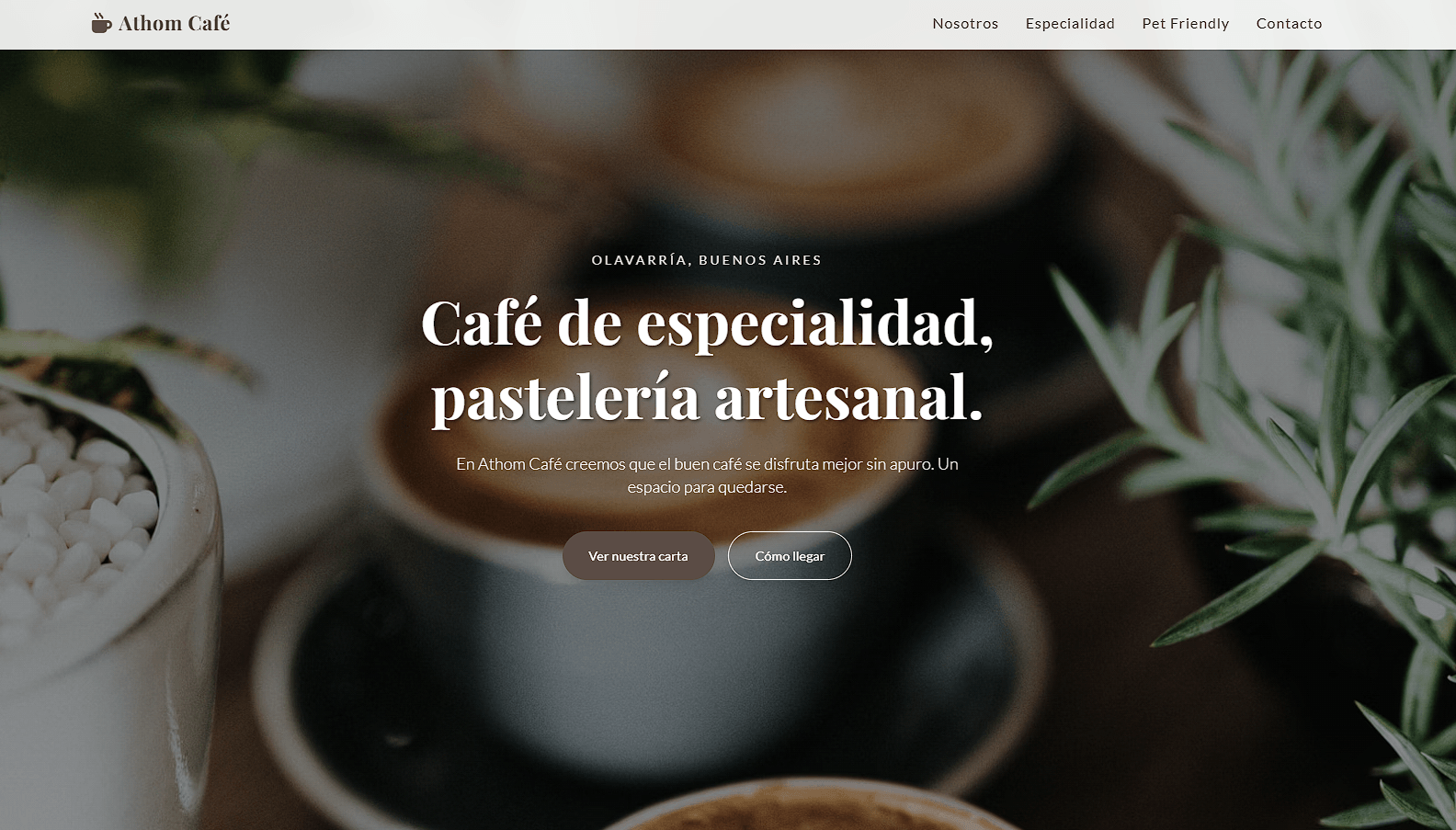
Lead Web Developer | Cafe & Bistro Project
Digitized the menu and brand presence of a café & bistro, replacing static, hard-to-update materials with a polished digital catalog that gives customers a clearer, more elegant read on the brand and what it sells, while letting the owners push menu changes, pricing, and promotions live, in real time. Led the project end-to-end from requirements to production deployment, building a high-availability, mobile-first platform designed for daily high-traffic use, with automated customer-management workflows and an intuitive touch navigation system that keeps load times minimal and visual fidelity high to maximize user retention and operational efficiency.
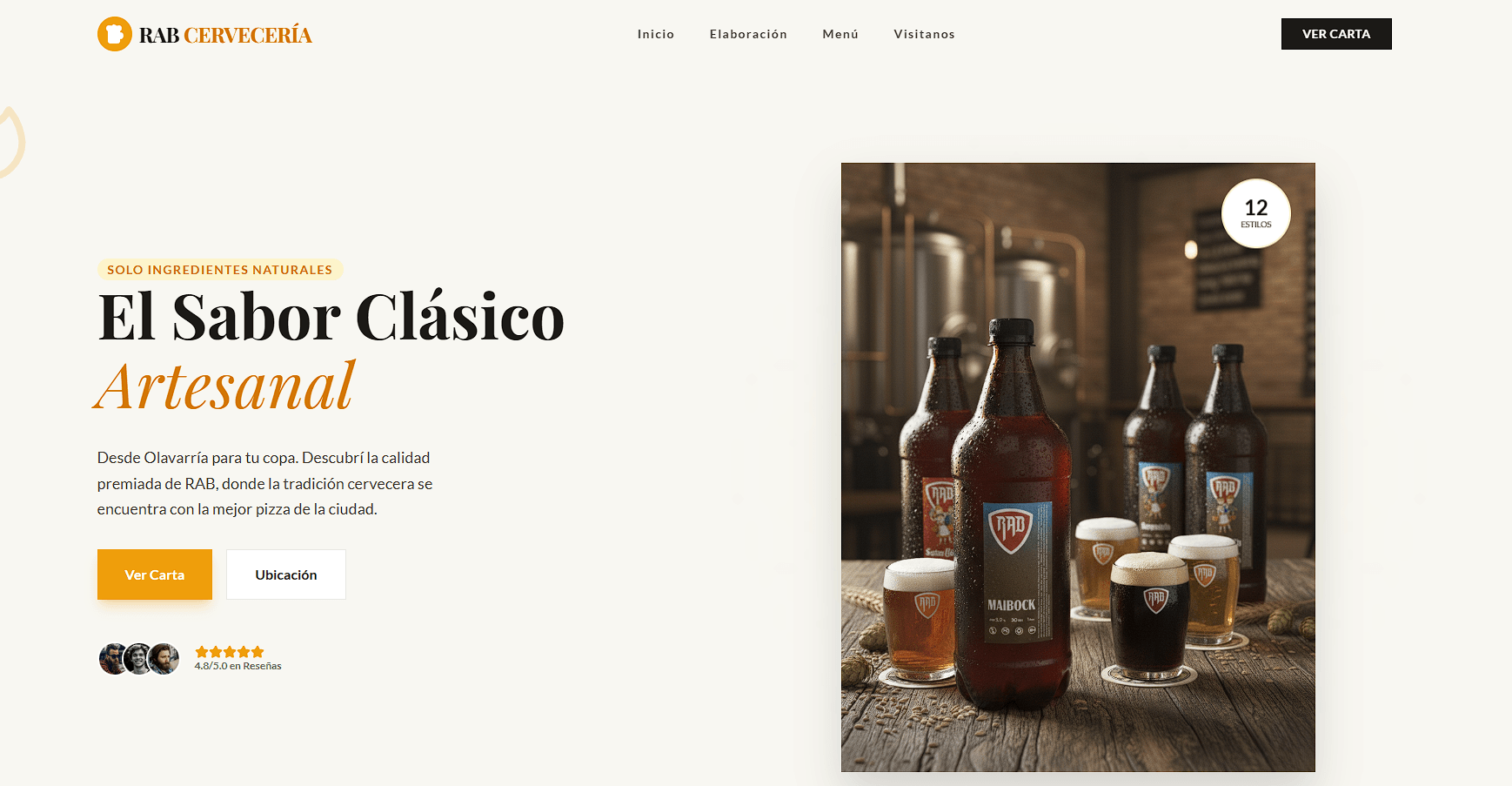
Web Developer | Brewery Project
Digitized the tap list and brand identity of a craft brewery, replacing a cluttered, hard-to-navigate beer menu with a clean digital experience that helps customers actually understand what they're drinking, from styles and pairings to the brand's craft story, while giving the brewery real-time control to update offerings and promotions as beers rotate. Led the project end-to-end from requirements to production deployment, building a high-availability, mobile-first platform designed for daily high-traffic use, with automated customer-management workflows and an intuitive touch navigation system that keeps load times minimal and visual fidelity high to maximize user retention and operational efficiency.
Neolasoft - Digital Twin
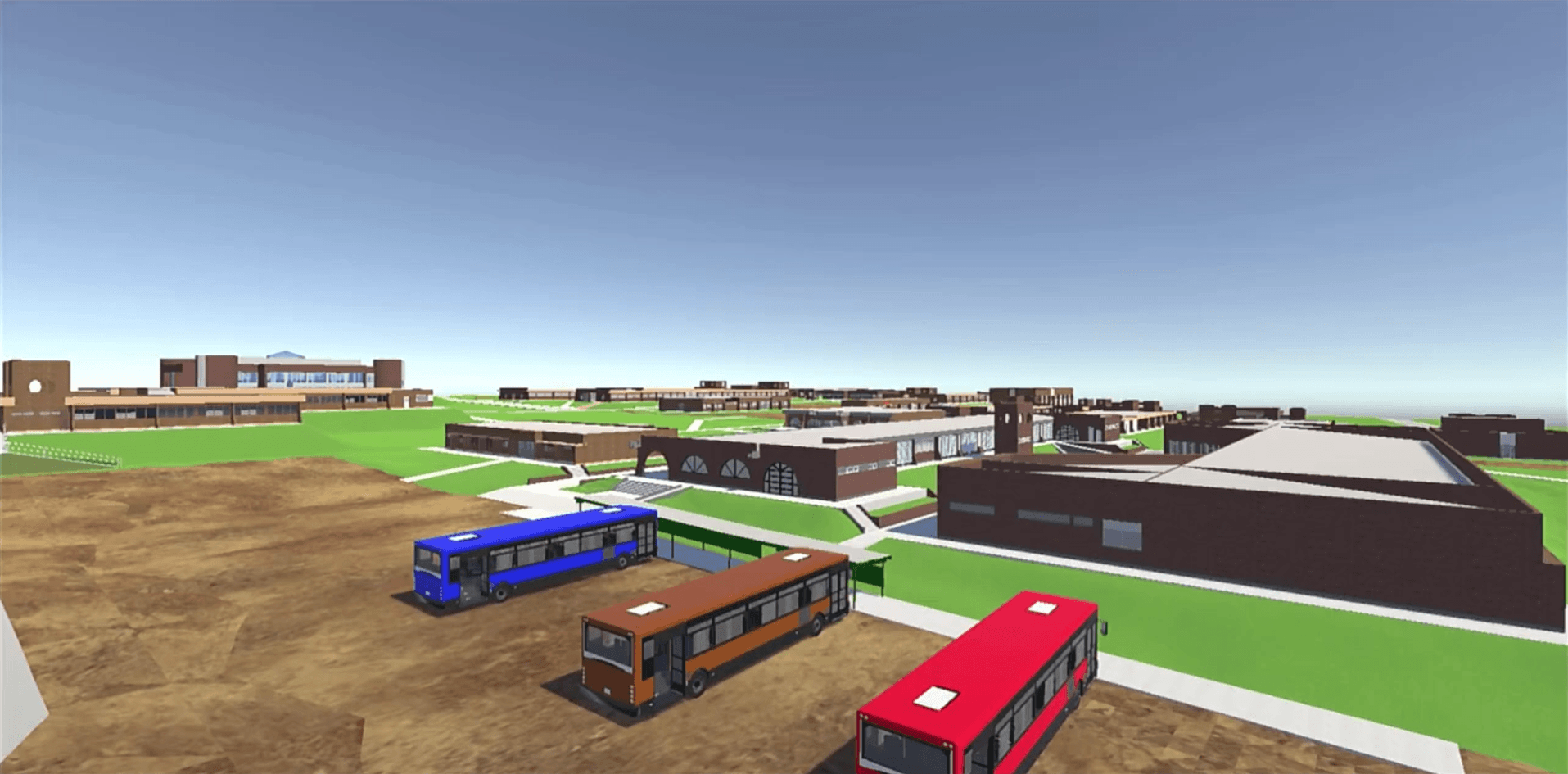
Digitally transformed the National University of the Center of Buenos Aires Province into an explorable virtual world, giving prospective and remote students, who couldn't travel to Tandil, the ability to walk through the campus, view classroom and lab interiors, and check room availability and purpose via in-world guide maps, without setting foot on site. Personally modeled several of the university's buildings in SketchUp as part of an 8-person team. This started with manual on-site surveying, measuring real dimensions of the facilities in the field, followed by working with the team to define standardized average measurements so that buildings, windows, and doors stayed consistent across every model. The virtual world supports real-time multiplayer exploration with a global chat, letting multiple users navigate the campus together at the same time. Delivered as the capstone project for the final year of the Engineering degree.
Start a conversation
Available for projects involving AI integration and complex system architectures.